NatusAI
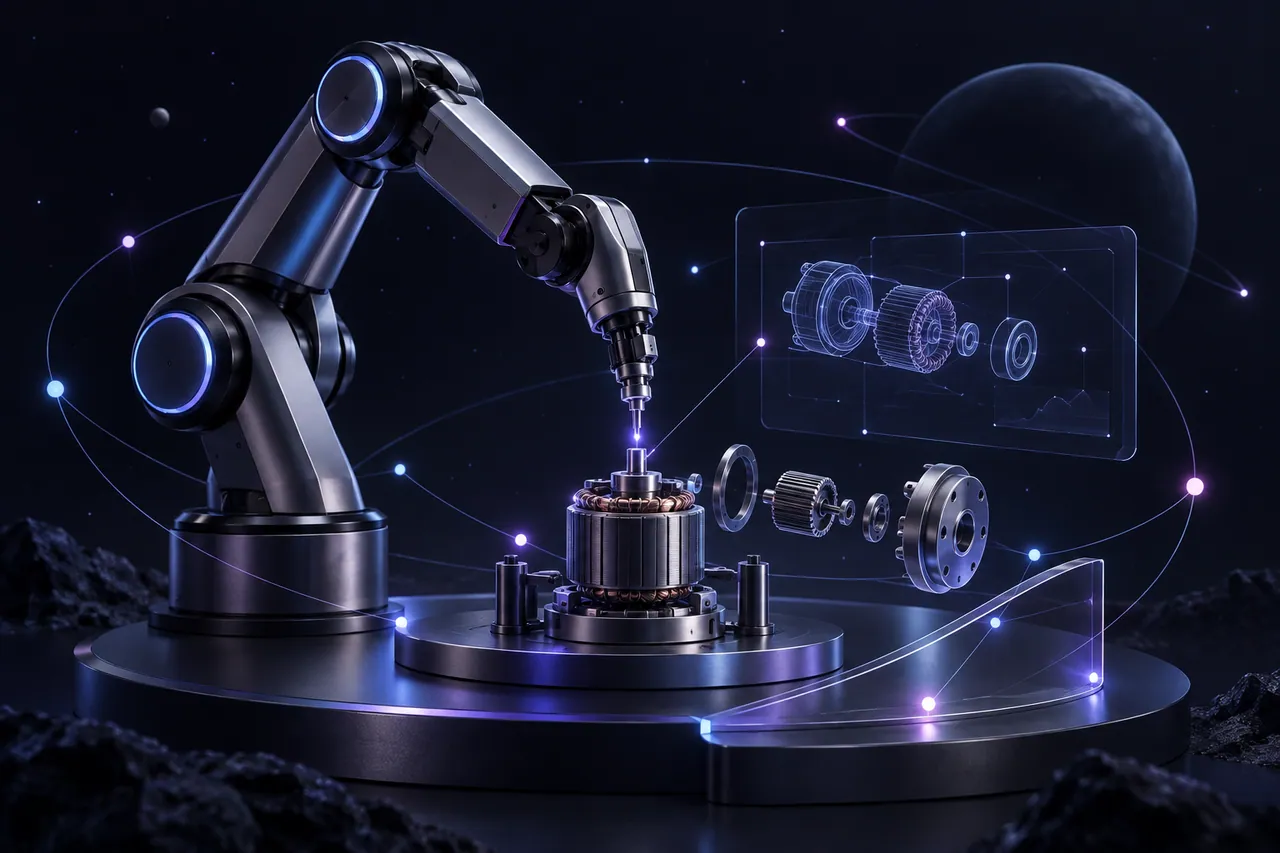
Reference scenario
Electromechanical
Electromechanical Manufacturing
Map the process, detect deviations early and coordinate the response.
View use case
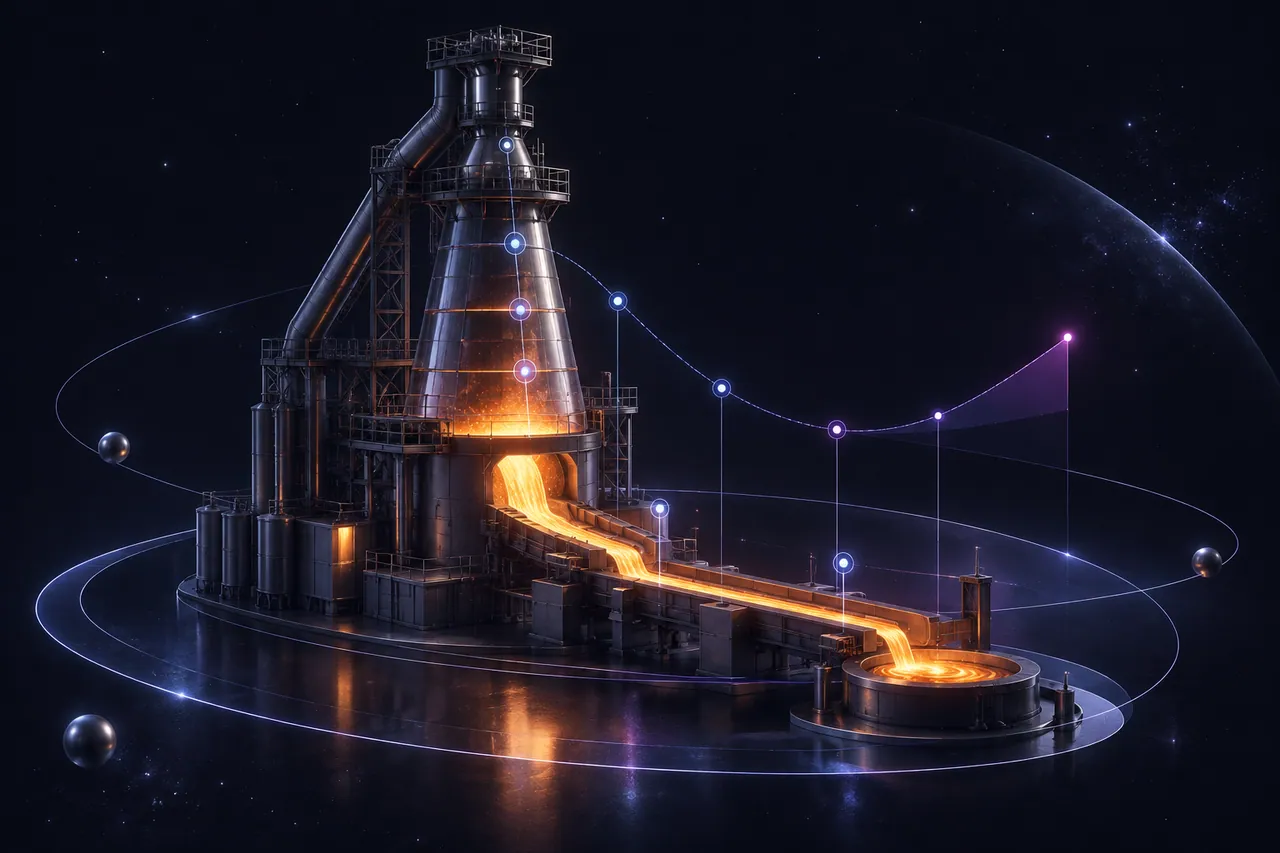
Machine learning estimates blast-furnace temperature from production data and operating context, so teams anticipate changes and operators stay in command.
Furnace behaviour depends on many interacting conditions. The sooner a change is visible, the more options operators have.
Machine learning works on process history; operators see the estimate next to the evidence and decide.
Connect
Bring relevant process measurements and operating context into one view.
Model
Use AI and machine learning to identify relationships that are difficult to follow manually.
Review
Make predicted changes visible alongside the evidence needed for a practical response.

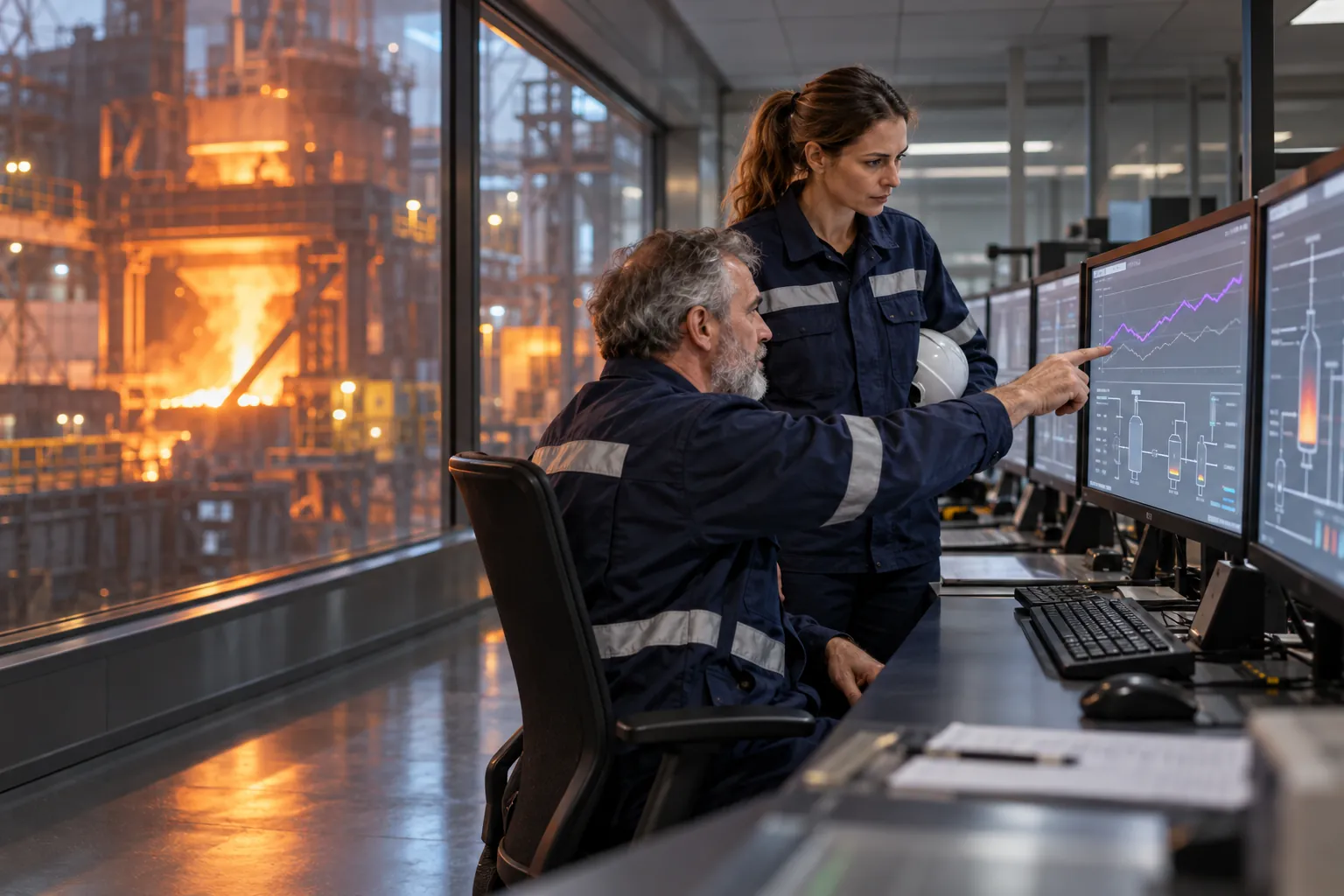
For a plant director or COO, the value is more time to act on furnace changes, without handing control to a model.
Earlier attention. Temperature estimates point to possible changes before they become larger questions.
Decision support, not autopilot. The estimate informs operators; operators decide.
One picture for the whole team. Operators and specialists review the same signals and evidence.
These roles show how the use case fits the NatusAI architecture. They do not imply that a reference deployment used every current product.
What you can buy today: a delivery engagement led by our team, built on the engine proven in our client projects, with NatusAI Lyra interfaces. Products marked Roadmap show where the platform is going; we share dates under NDA.
Status: reference scenario. It describes an illustrative pattern on the same engine as our client projects; it is not a NatusAI client result, and no figures are claimed.
Reference scenario
Electromechanical
Map the process, detect deviations early and coordinate the response.
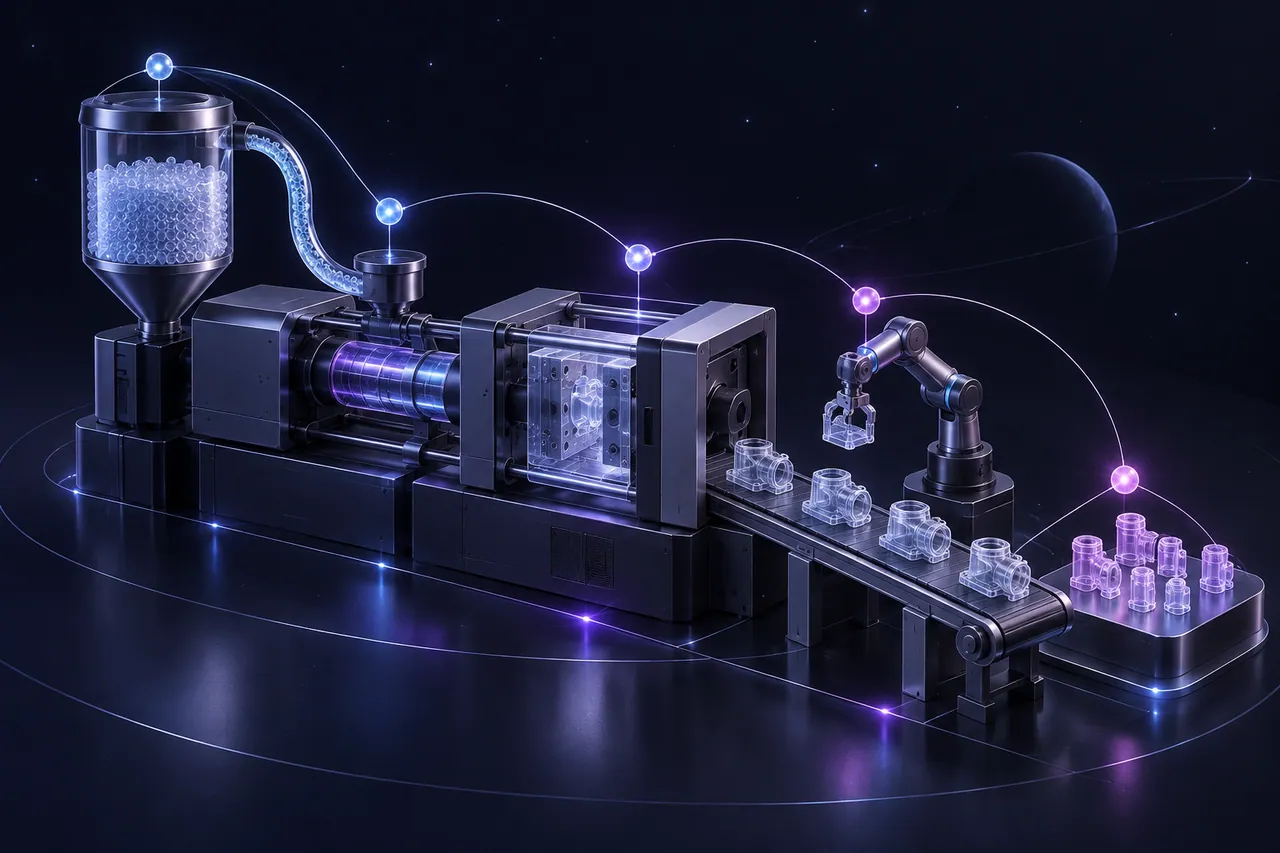
Reference scenario
Plastics
See what drives quality and waste on the moulding line, and improve one parameter at a time.
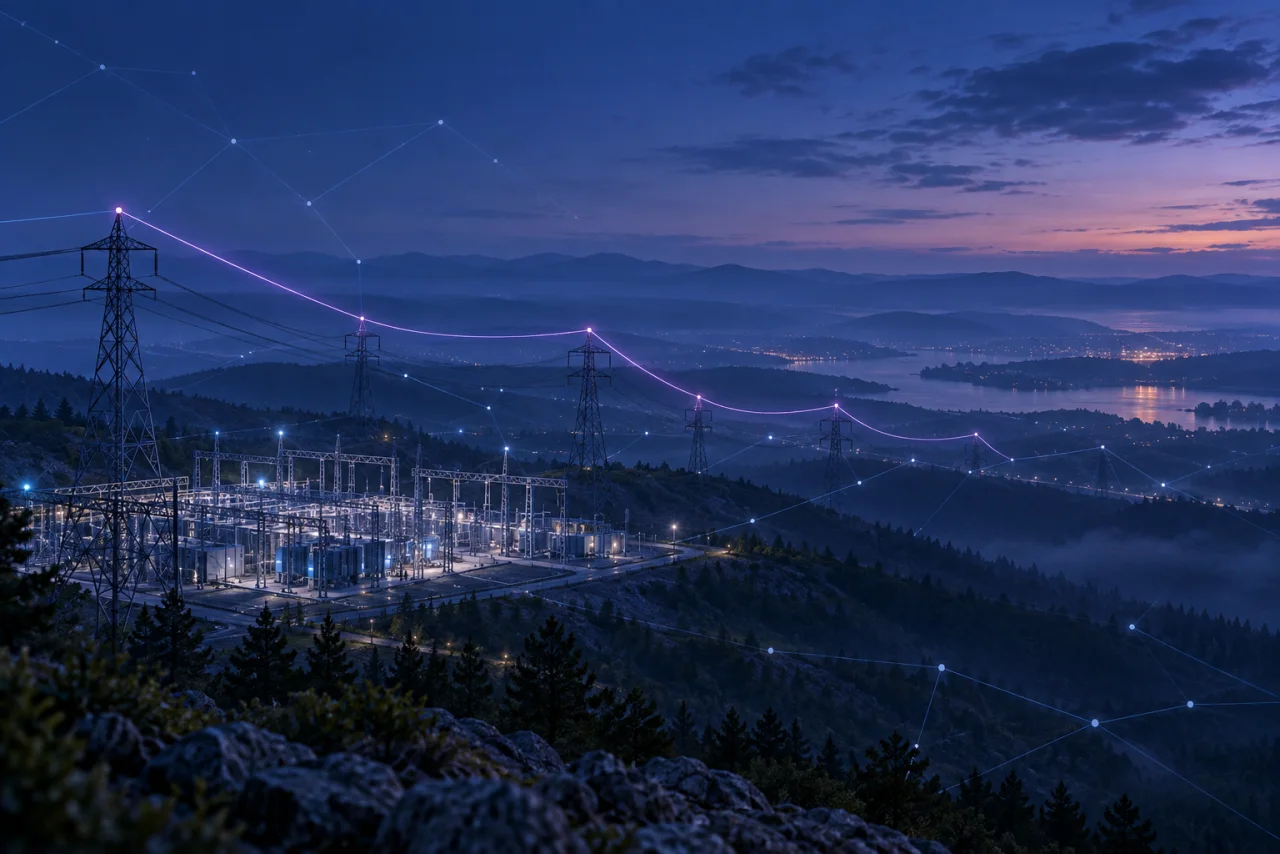
Delivered · client result
Energy distribution · Grid management
One of Europe’s first country-wide AI grid digital twins, with a near-real-time view of the national network.
More answers on deployment, governance and pricing in our FAQ.
No. It estimates temperature as decision support; operators decide the response.
Process measurements and operating context. The estimate is shown to operators together with its supporting signals.
Not as a client result. This is a reference scenario on the same engine as our client projects, and no figures are claimed.
Start with one process and the people who understand its constraints. We will show how an earlier estimate could support them.
Or write to contact@natusai.com